

Nome

Mail

Messaggio


Visualizzazione post con etichetta circular economy. Mostra tutti i post

ECO-FRIENDLY PACKAGING FOR ICE CREAM


From ice cream for walking through the thermoboxes for ice cream to take away up to the packages in the GDO, the technology marries the environment.

Cartonboard packages (cups, tins and trays) are also an ideal solution for very cold foods and companies in the sector are in step with the times, proposing new packaging easily recyclable in the paper and cardboard supply chain.

Recyclable cellulosic packaging solutions are more and more present in the ice cream way, where the consumer can now choose his favorite taste winking at the environment and making sustainability a primary choice.

Materials are recycled, plastic and paper are major players, as are new patents for compostable materials. 

Companies in this sense are in step with the times, respectful of regulations, prone to product and system certifications as appropriate tools to ensure the quality of the company and reassure users. Between stamps and certifications, therefore, the interest and commitment to invest in eco-frendly for the future is confirmed.

But let’s move on to style. On the one hand it must represent the joy and sweetness of ice cream, with fluo colors, playful patterns and attractive shapes. 

Alongside the more carefree proposals, we find the design choices that make the packaging of ice cream also a trendy decorative element. Black and white, gold and metallic colors, contribute to the style of refined environments.

Source: Ecopackaging


The lines followed by the designers firmly match the new trend of consumption. 

We are approaching a model more in line with the international trend. 

Foods are consumed in the street at any time of the day, ice cream is the protagonist of a break, but it is also a meal replacement during a work break, as well as being a refined dessert to accompany an invitation to dinner. Packaging is asked to respond efficiently to the new needs expressed by the user.

Reference

https://www.comieco.org/il-gelato-si-veste-di-cartoncino/  

Condividi:

EARTH DAY 2021


USA, October 1969: John McConnel, peace activist and environmentalist, calls on the UN Secretary-general to sign a proclamation spreading awareness about the need of creating a movement for our planet's preservation and protection. 

April 1970: 20 million Americans respond to this call, by demonstrating and officially establishing the first Earth Day. Every year since then, around 200 countries celebrate this day. 

April 2021: it is celebrated the 51st anniversary of this day. Each year, April 22 becomes a symbolic day to demonstrate and raise awareness against pollution, climate change, biodiversity protection. This year, the theme is ecosystem restoration.

The UN has drawn up a 10-year program, from 2021 to 2030, in favor of the preservation of biodiversity on the planet. The plan is based on two actions: avoid the destruction of ecosystems, but also regenerate environmental degradation. This is the main mission, which is included among the goals of the 2030 Agenda. In fact, according to the UN, about 20% of the earth's surface has suffered a decrease in productivity due to soil erosion and pollution, and this will lead to a decline in resources. This number will grow, causing by 2050 a decrease in harvests. This will have negative repercussions, both social and economic. 

In this scenario, ecosystem restoration comes into play. Especially during the pandemic, we have seen how nature strongly depends on human actions, and how when human work is stopped, it can reborn and breathe again. Perhaps then, if we hurry, it will not be so late to save the planet that hosts us. And so here are some of the projects that are realized: 

- The Danube delta: the elimination of dams gave space back to nature and animals that inhabit this area, the largest wetland in Europe and home to great biodiversity;

- Pleistocene Park in Siberia: regenerating the northern steppes and making them fertile again; 

- Reforestation of Iceland, once rich in forests;

- The United States and the return of the sea eagle: after the abolition of DDT, a very poisonous pesticide, the presence of sea eagles has increased again;

- Save the tigers: 13 countries want to save this endangered animal species; 

- The underwater prairies of Venice: among the projects, there is also an Italian one. The prairies of the Venetian lagoon, that during pandemic has already given us crystal clear waters that have not been seen for a long time; 

- Coral restoration:  the goal is to rebuild the coral reefs in the Maldives, also thanks to the participation in the research of the University of Milano-Bicocca. 

Sources 

https://blog.geografia.deascuola.it/articoli/2021-2030-il-decennio-onu-per-il-ripristino-dellecosistema#:~:text=L'Assemblea%20generale%20delle%20Nazioni,preservare%20la%20biodiversit%C3%A0%20sul%20pianeta.

https://it.wikipedia.org/wiki/Giornata_della_Terra#:~:text=La%20Giornata%20della%20Terra%20(in,di%20primavera%2C%20il%2022%20aprile.

https://www.lifegate.it/card/giornata-della-terra-2021-dieci-esempi-di-ripristino-degli-ecosistemi/12


Condividi:

STARTING OVER FROM OCEANS

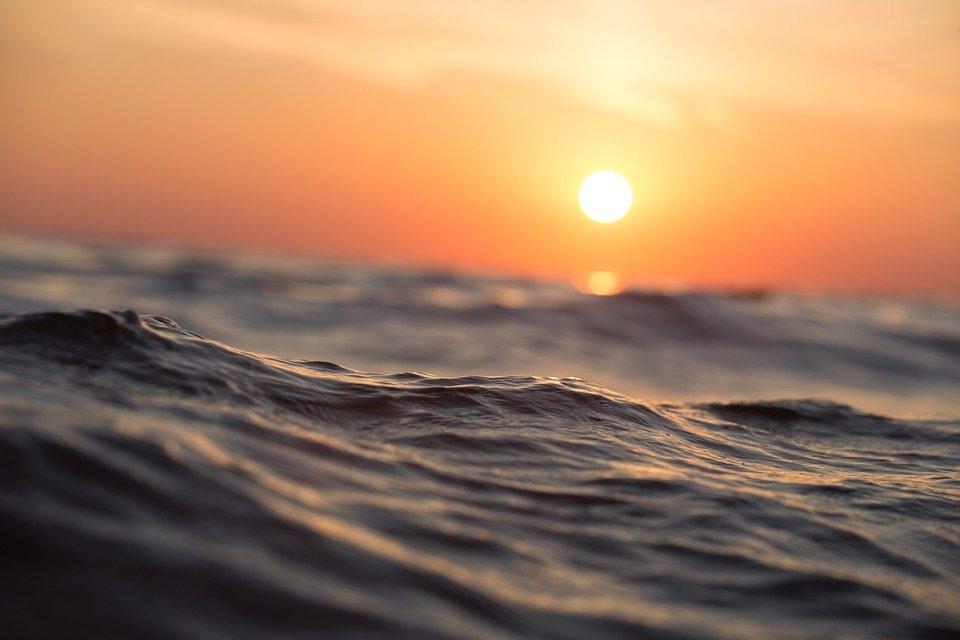
Ocean, Mare, Onde, Alba, Crepuscolo, Paesaggio Marino

Foto di Pixabay 


Seas and oceans are two fundamental factors for our life on earth: they cover about ¾ of earth’s surface, absorbing about 30% of carbon dioxide and producing 50% of oxygen. This makes them a primary source of life here on our planet.

However nowadays oceans are in great danger: due to pollution and climate change, the temperature has risen to a new record level, glaciers are melting, and water level is rising (+15 cm during this century). These consequences are likely to last for many years. Even if we try to take an action now, to make up for our mistakes, our oceans will need time to recover.

Specifically, there's a part of oceans, that is called “underwater grasslands,  i.e. huge expansions of marine flora located on the seabed. They are mainly responsible for absorbing CO2 (about twice as much CO2 absorbed by forests of the same size). They are also responsible for the acidification of water, they create a natural habitat for fishes and it is believed they also help to limit the damage caused by microplastic. Despite their crucial role in this play, pollution and invasive bait are creating some serious damage: an area of these grasslands as large as a football pitch is disappearing every half an hour according to UNEP, the united nations environmental program.

Preserving marine waters and life below water is a challenge that the UN itself set as one of the goals of the 2030 agenda: goal 14, “conserve and sustainably use the oceans, seas and marine resources for sustainable development”. 

Nowadays, about 10% of the oceans are protected: the UN's purpose is to protect the biodiversity of 30% of the oceans by 2030 through the so-called 30x30 initiative, launched by Great Britain and joined by Italy in June 2020. What is its aim? To protect the health of seas, biodiversity, and fight climate change.

Sources

https://www.onuitalia.it/sdg/14-la-vita-sottacqua/#:~:text=Essi%20fungono%20da%20sistema%20respiratorio,assorbendo%20anidride%20carbonica%20e%20scorie.&text=Gli%20oceani%20regolano%20il%20clima,benessere%20economico%20nazionale%20e%20globale.

https://www.rinnovabili.it/agrifood/food-waste-index-report-2021-pianificare-strategie-antispreco/

https://www.lifegate.it/praterie-sottomarine-greenpeace

https://www.rinnovabili.it/ambiente/acqua/tutela-degli-oceani-biodiversita-cop15/


Condividi:

CO2 REDUCTION


CO2 Reduction

According to NASA, "Carbon dioxide (CO2) is an important heat-trapping (greenhouse) gas, which is released through human activities such as deforestation and burning fossil fuels, as well as natural processes such as respiration and volcanic eruptions". 


Source: https://unsplash.com/photos/3ioqs19Wa2A


National Geographic states that the release of the gases is at an all-time high. It can be noted that most of the sectors of the global economy, from manufacturing to the final consumer, contributes to the emission of this greenhouse gas. This is causing more harm than good as it is causing changes to the climate. Temperatures will continue to rise, as will the impact of acid rain, which continues to be high, causing damage to plant life. They both have immediate and long-term consequences for the ecosystem. As a result of its ability to displace oxygen from the atmosphere, it can cause difficulty breathing, excessive sweating, increased heart rate, and convulsions in humans, among other things. What can be done to alleviate the severity of the situation is the question.

Since the underlying causes for the emission of this gas are by human activities, humans can help reduce the impact of CO2. Reducing our home energy carbon emission can include making an effort to use fewer appliances, using recyclable products and packaging, using other alternative options like driving fewer carbon emission cars, or a combination of these ideas.

Businesses can help increase environmental awareness among their employees and stakeholders by making environmentally conscious purchasing decisions, implementing sustainable business practices, and promoting greener work methods.


Source:  Life cycle assessment from Botta Packaging

An additional way in which the government can also help is by investing and backing companies whose primary mission is to cut carbon dioxide and other harmful gases from the atmosphere. The Environmental Protection Agencies should keep educating the general public on the hazards posed by the gases and also continue to push for environmental programs that help reduce the pollution on the planet.


Sources

External links

https://climate.nasa.gov/vital-signs/carbon-dioxide/

https://sciencing.com/effect-human-activities-environment-11374.html

https://www.nationalgeographic.com/environment/article/greenhouse-gases


Condividi:

IMPORTANCE OF CRADLE TO CRADLE FOR BUSINESSES


Importance of Cradle to Cradle for Businesses


Cradle to Cradle is a model that involves the use of materials in the manufacturing process which can be reused or remodeled into other products. In effect the use of raw materials that can also serve as nutrients for the environment after their initial use. The choice of this model can benefit an organization in so many different ways.

First, it provides businesses with a reduced and effective cost of production. This is because the raw materials do not go to waste but are used and reused. Under this, raw materials are effectively used and it also provides new sources of products. Companies do not waste resources when they use this kind of practice.

Following the above advantage, this model also brings about innovation and the production of high-quality products. Since companies who use this concept invest much into their research and development departments to come up with new ways of recycling, reusing, and producing new products. Innovations normally come with increment in revenue for the organization if they can achieve their purpose.

Furthermore, cradle to cradle most importantly has to do with environmental issues. This topic encourages companies to produce goods that have a strong positive impact on the environment. This includes the use of renewal energy, water stewardship among others. This helps to preserve and sustain the environment for the present and future generations.


Source: Botta packaging 

Lastly, when the company considers the well-being of its stakeholders before choosing a production process, this helps to mitigate any adverse health effects it may have on them. While doing so, companies build strong and healthy company ethics and reputation that will benefit them in the future.

Considering these advantages, businesses should opt for this principle of recycling which would be a greater opportunity for them. 


Sources

External links

https://www.theguardian.com/sustainable-business/cradle-to-cradle-certification-benefit-business-study

https://www.pivotint.com/blog/the-pros-and-cons-of-cradle-to-cradle-design/

Picture link

https://unsplash.com/photos/Nyvq2juw4_o


Condividi:

WHY RECYCLING?

 Recycling is the process of transforming waste materials into new materials. This new material can be used in a variety of other productions as well. There is a lot to be gained from recycling, whether from a monetary or environmental standpoint. This article will go over some of the advantages of recycling and why we should be enthusiastic about it. 

First and foremost, it contributes to the conservation of precious natural resources.It accomplishes this in the sense that when paper materials, for example, are recycled, the number of trees harvested for paper production is reduced. When plastics that take hundreds to thousands of years to break down are recycled it reduces the amount of them being produced because the production of plastics releases fossils fuels which are harmful to the environment. 

Secondly, it reduces the amount of waste in the environment thereby protecting it. Without recycling, every waste made would have to be disposed of and since some waste materials are very difficult to decompose, they would end up in landfills. Due to the possibility that the waste contains harmful gases that will have negative consequences for the ecosystem and all living organisms, this represents a threat to both.

Recyclable waste can also be used as a platform for innovation and revenue generationin a business setting. As companies take the initiative to improve their operations, their research departments investigate new and better ways to do so. In this case, the company will have an opportunity to generate some form of revenue because new materials will be obtained from the waste and will be used to manufacture other new goods.

BOTTA Packaging a company that strongly believes in continuous innovation has been one of the voices of supporting and producing products that are recycled in their bid to create a sustainable environment.


Sources


https://friendsoftheearth.uk/sustainable-living/7-benefits-recycling

https://www.veolia.co.uk/nottinghamshire/recycling/recycle-nottinghamshire/why-recycling-important


Condividi:

TRENDS IN PACKAGING


Changes are occurring in the world of packaging due to the emergence of e-commerce and newer trends in technology. Results of a recent study conducted by Smithers show that demand for corrugated packaging has increased by 3.5% per year since 2018. Increased demand is expected for corrugated packaging due to new trends emerging in the modern age of technology, thus the market for corrugated packaging is expected to increase at an annual rate of more than 4% per year by 2025 that could potentially weigh nearly 250 million tonnes.

Carton was found to be the most eco-friendly packaging across Europe, with 52% of Europeans saying that they are convinced it to be so. As a result, millions of Europeans are making environmental choices to maintain or improve the sustainability of the environment according to a study conducted by ProCarton in 2018.

Furthermore, the market for European paper packaging is forecasted to grow at a compound annual rate of growth (CARG) of 4.5 percent between 2021 and 2026. These are all due to the new insight people are gaining into the world of recycling and waste management coupled with innovative solutions emerging from companies today. 


Due to the increase in the global market for eco-friendly packaging, Europe, which is the second-largest packaging market, should be strongly affected due to the interest of people in this idea. The e-commerce industry's market share is increasing due to various factors. In addition, many businesses search for useful solutions that will help improve their communities and society, and as a result, these types of packaging become the norm.

BOTTA Packaging aims to be a part of this fast-growing movement, and to this end, they are constantly researching new trends. We're motivated to serve our community and the world because we care about providing our customers with better service.


Sources

External links

https://www.mordorintelligence.com/industry-reports/europe-paper-packaging-market

https://www.smithers.com/resources/2019/jan/trends-changing-the-corrugated-packaging-market

https://www.smithers.com/services/market-reports/packaging/corrugated-packaging-to-2025

Internal links

https://www.botta.it/

Picture link

https://unsplash.com/photos/J_twGKRWvW0

Condividi:

ZERO WASTE


ZERO WASTE is a set of waste-prevention ideas that encourages the reorganization of resource life cycles in such a way that all products may be reused. The goal of this idea is not to recycle or dispose of things, but rather to make full use of all available resources to eliminate waste. When it comes to garbage disposal, it is focused on this goal since a portion of it may end up in landfills and a portion may be burnt, both of which contribute to air pollution. This will lead our objective of maintaining and safeguarding the environment to be shifted in a new direction, and it may have negative consequences for the ecosystem as a result.

This concept is often referred to be a difficult goal, yet it is attainable. Companies that utilize environmentally friendly methods of manufacturing, consumption, usage, and recycling of all resources will be taking a step in the right path. Zero waste is not only possible in businesses, but it is also possible in the home. Consumers may assist by paying attention to the goods they purchase and how they use them; this will also help to decrease the quantity of trash produced. They may also depend on environmentally friendly manufacturing firms for their goods. Individual homes and businesses may also help by diverting any trash to a commercial compost facility rather than just tossing it away.


We, at the BOTTA Packaging, are very interested in the zero-waste idea, and as a result, we manufacture packaging that reflects this passion. We are a consumer-oriented business that has been in operation for more than 70 years in the field of environmental friendliness and sustainability. This is the direction in which we want to continue, by investing in research and innovation to provide more sustainable solutions for businesses, to reduce overall waste generated at the end of the day.


Sources

https://www.webstaurantstore.com/blog/454/biodegradable-degradable-and-compostable-whats-the-difference.html

https://zerowasteeurope.eu/about/principles-zw-europe/


 #circulareconomy #zerowaste


Condividi:

ECO-FRIENDLY PACKAGING FOR THE SEAFOOD MARKET


Eco-Friendly Packaging for the Seafood Market


The seafood market industry is undergoing a lot of innovation in its packaging for more eco-friendly ones. The packages used for this industry include Polyester bags, sleeves, polyethylene wrap or bags, Polyvinylchloride, Cellophane waxed paper, and cartons. Among all these, there has been an interesting shift happening towards paper and cardboard packaging which are very good candidates for renewable and recyclable activities. There is much research and innovation being than into this field 


Source: https://unsplash.com/photos/bmJIOogVW-w 


An award for innovation in fish bag packaging was given during the CONAI 2020 Prevention Call, and the award has been entered into Comieco's Best Pack database as a result. The new packaging uses a paper bag wrapped in a metalized HDPE film designed to be manually removed from the cellulosic material. 

One more award-winning innovation was that discovered at the Worldstar Packaging Awards 2021 was an Australian packaging product called Lobster Protector, which is used in lobster packaging. The product is plastic-free, recyclable, biodegradable, renewable, and environmentally friendly.

Recyclable and renewable paper packaging offers different innovative opportunities in this age of circular economy. It can replace all of the materials that have been traditionally and historically used for packaging. 

As a result, the majority of companies in this sector should accept this mandate and devote themselves to investing more in this innovative idea and conducting high-level research and development to come up with the best possible solutions for their products and the environment.  Some firms have already gotten underway with this idea indicated earlier, and other businesses can begin as well.

Sources

https://www.comieco.org/soluzioni-in-carta-e-cartone-per-il-pesce-fresco/

https://www.comieco.org/innovazione/best-pack/sacchetto-per-il-pesce


Condividi:

TEACHING YOUR KIDS ABOUT SUSTAINABILITY


Sustainability is a big and essential subject that has to be simplified to a level that is understandable to people of all ages and backgrounds. Particular emphasis should be placed on educating children about the significance of sustainability, given that they are the next generation and will be battling climate change. The following are a few strategies that guardians and parents may use to educate their children about sustainable living practices.


Source: https://unsplash.com/photos/ffJ8Qa0VQU0

1. Parents may practice reading to their children from books on sustainability. Reading may be a means of strengthening the connection between parents and children while also increasing the knowledge of the children. There are many books available on the subject of climate change. Among these are "Old Enough to Save the Planet" by Loll Kirby, "The Lorax" by Dr. Seuss, and "10 Things I Can Do to Help My World" by Melanie Walsh, to name a few examples.

2. Discuss recycling and put it into practice at home. Creating recycling bins in their homes and teaching children how to sort waste items and discuss which things are acceptable for recycling and which are not may help them become more environmentally conscious as they grow older.

3. Spending meaningful time in nature and not just in their rooms and on their iPads or playsets will also assist the kids to comprehend the beauty of nature, as well as the significance and advantages that can be gained from spending time in nature.

4.In addition, you and your children may participate in community service projects to help clean up your local environment and plant trees in your area.

5. Inform children about the negative consequences of behaviors that harm the environment so that they may avoid them in the future.

Children learn mostly via observation; therefore, parents should model sustainable living for their children. This will go a long way toward assisting the children in doing the same.

Sources

https://www.theguardian.com/teacher-network/2017/apr/14/the-best-books-about-green-living-for-children-of-all-ages

https://education.abc.net.au/newsandarticles/blog/-/b/2985599/10-ideas-for-teaching-kids-about-sustainable-living-

https://www.naturespath.com/en-us/blog/20-activities-kids-learn-sustainability/


Condividi:

PAPER RECYCLING


Source: Unsplash

Paper recycling is part of the waste management activities that feed and enhance the circularity of an environmentally sustainable economy. An effective differentiated collection allows re-introducing in the productive process the waste paper material. Let's take a closer look at how the paper recycling process works.

There are several ways to recycle paper, but all contain essential steps. First, large piles of waste paper are accumulated in the factory yard.

Paper is then loaded onto conveyor belts and dropped into huge tanks of hot water called macerators. Here it is shredded and reduced to a pulp. Inside the tank is a powerful magnet that attracts metal objects, which are removed.

Fibers and other contaminants such as glue must be removed by filtering them through screens. For this purpose, the mush is discharged from the macerator and filtered.

The material may be passed through half a dozen screens, each with a larger mesh than the previous one.

After passing through the screens, the material, reduced to a paste, is sprayed onto a conveyor belt. The paste enters the paper machine where it is spread out on a large felt and takes the shape of a sheet.

The wet layers must then be dried in order to be transformed into cardboard.

As the material travels on the conveyor belt, a series of huge heated rollers compress the material to release any remaining water. The drying process involves several steps and each time the pressure and also the heat emanating from the rollers dries the material.

When the drying process is completed the material is transformed into cardboard and in the final phase, its quality is checked. The cardboard is dry and ready to be packed for transport and later for sale.

In this perspective of a circular economy, BOTTA Packaging uses corrugated cardboard, which in addition to being biodegradable and produced from renewable sources, is 100% recyclable. 

Reference

http://utenti.romascuola.net/sangallo/ambiente/RicicloCarta2.htm


Condividi:

INTERNATIONAL FOREST DAY


21 March is International Forest Day. It was established in 2012 by the United Nations General Assembly. This day serves to raise awareness of the importance of forests and their indispensable role in human and Earth life, environmental sustainability, and environmental security.

Forests are fundamental to our lives: they absorb the carbon dioxide we produce in industrial quantities. They also interact with the climate, and in particular with temperature, humidity, atmospheric pressure, and precipitation. All types of forests must be managed sustainably because this means defending the lives of future generations on Earth.

Forests cover one-third of the Earth's surface and are the ecosystems with the highest rate of biodiversity. Around 1.6 billion people and more than 2,000 indigenous cultures find food, medicine, and energy in forests. Despite this, global deforestation continues at an alarming rate, and forests are increasingly ravaged by fires and suffering from the impact of climate change. 12 million hectares of forests are destroyed each year, and deforestation accounts for 12-20% of global greenhouse gas emissions, contributing around 4.5 billion tonnes of carbon dioxide to climate change. 

In Italy, forests are continuously and gradually increasing in the last 30 years there has been an increase of 3 million hectares. In fact, forests have come to cover about a third of the national territory, partly due to the spontaneous growth of forest vegetation on abandoned agricultural land. Forested areas are particularly characteristic of Italy's inland areas, which can play a driving role in the country's recovery in terms of agriculture, employment, and sustainable tourism.

However, nothing happens without commitment. Enhancing the value of inland areas requires the modernization of infrastructures, starting with forest roads, the digitalization of forestry practices, and the simplification of authorizations for forestry work. This is the only way to make the forests increasingly sustainable. 

Reference

https://www.rinnovabili.it/ambiente/biodiversita/giornata-internazionale-delle-foreste/


Condividi:

ADVANTAGES OF REUSABLE PACKAGES


Reusable packaging is made of sturdy materials and is specially intended to be used for many journeys and to last for an extended period. Throughout the packaging's lifetime, it is frequently reused, examined, and repaired to be reintroduced into the supply chain. The use of reusable packaging has several advantages for your business.

For starters, reusable packaging may help you save money on waste disposal. Because they are not single-use and may be reused many times, they help to minimize and save the money, time, and energy that would have been spent on the disposal of their waste if they were single-use. It also contributes to a reduction in the quantity of waste produced by them.


Source: https://unsplash.com/photos/TE_fvX7fhD8

More significantly, it saves the energy and materials that would have been used to manufacture new ones. As a result, they contribute to the conservation of natural resources. Because they are reusable, businesses would not need to request the production of more packets, which would aid in the reduction of their carbon impact.

As a bonus, reusable packaging removes the requirement for your company to expand its storage capacity by buying additional packaging. By using reusable packaging, you may avoid dedicating a significant amount of space in your warehouses to the storage of packing materials. Additionally, it will help you in reducing your expenditures.

Furthermore, it serves as a fantastic marketing tool for your company's operations. As a result, it will increase customer interest in your goods while also making your business more appealing to them. Those that are concerned about their environmental effect prefer to conduct business with businesses that are concerned about their environmental impact.

Due to these advantages, companies should move their businesses towards this direction to be more sustainable.

Reference

https://www.globaltranz.com/reusable-packaging/

https://www.cosmofilms.com/blog/benefits-of-reusable-packaging/

https://boxaroundtheworld.com/benefits-of-reusable-packaging/


Condividi:

When the final tree dies, the last man dies

 Our existence has been made possible only via the use of natural resources, among which trees are included. Regardless of their many benefits, trees' only benefactor, man, has been the same source of danger to their survival. Without trees, man's survival would be very difficult. Trees benefit us in many ways, which is why our very survival is dependent on them. Among them include, but are not limited to, the following.

Trees are beneficial to one's health. Trees provide oxygen, which is used to filter the air for people. They collect carbon dioxide that is released into the atmosphere and is hazardous to people and animals. Without this advantage, both man and animals face extinction. Additionally, they produce a large number of medications that are used to cure a variety of illnesses.

Their ability to absorb carbon dioxide also has the added benefit of reducing the pace of global warming, which is a growing worry in today's globe. As they lose moisture and reflect heat upward from their leaves, they decrease wind speeds and chill the air. Trees are believed to be capable of lowering the temperature of a city by up to 7°C.

Additionally, they aid in avoiding soil erosion and flooding, thus preserving the soil's nutrients. Because they are a source of nourishment for every living creature on the earth, soil nutrients are a critical component of food production.


 Moreover, they offer shelter and shade for both humans and animals. For birds nesting in their canopies, or tiny animals building their homes in their root systems, trees offer a plethora of opportunities

 for all kinds. Without them, none of us would have a place to sleep. They offer shade and cool the air during hot times.

This is the basic reason why BOTTA Packaging has the mission of producing sustainable packages which helps preserving and protecting the environment. Let's do everything in our power to save humankind and not just the last man.


Reference

https://www.royalparks.org.uk/parks/the-regents-park/things-to-see-and-do/gardens-and-landscapes/tree-map/why-trees-are-important

https://www.woodlandtrust.org.uk/blog/2017/12/why-do-we-need-trees/

Condividi:

Categorie

Popolari

Logo

Pages

Follow us on Instagram

botta_box

Follow us on Facebook